
Hyderabad Pod Car Plan: What It Means for Property Prices in the IT Corridor
Telangana has proposed a 35-km driverless pod network for Hyderabad's IT corridor, meant to feed riders into the Metro. It is still a proposal, so any gain for nearby housing depends on tendering and delivery.

By Rajan Khosla · Edited by Rakesh Mahajan · Source: Siasat
Published
Figures checked against the source report and our project research · Editorial standards
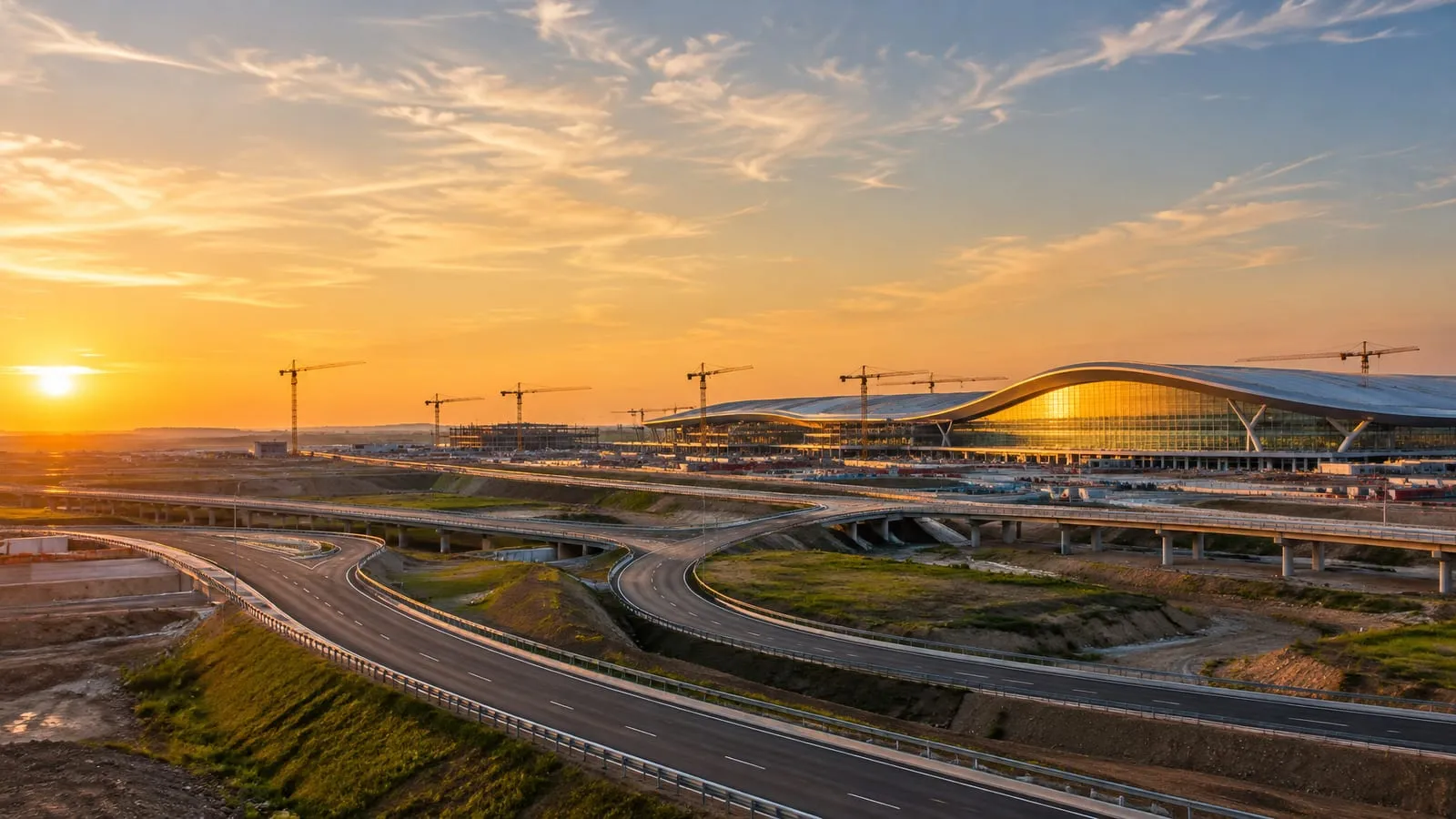 Illustrative
What happened?
Siasat reported on 19 November 2026 that the Telangana government has proposed a first phase of 35 km for a Personal Rapid Transit System, using small driverless electric pods on elevated tracks. According to the report, the route would run from Kukatpally to Knowledge City through Raidurgam and Biodiversity Park, with 64 stations.
Siasat said Hyderabad Metro Rail Limited presented the plan to Chief Secretary Sanjay Jaju on 18 November. He asked for a route map and action plan, a low project cost, route choices based on traffic density, and fuller use of what already exists. Siasat added that the pods are meant to connect with Metro Rail and RTC buses.
The report said this followed a 12 November meeting where the Chief Minister asked for a corridor linking the KPHB and Biodiversity Metro stops, passing Durgam Cheruvu and Raheja Mindspace. He also asked for a depot and multi-level parking near IKEA in Gachibowli. He wants the first corridor's tender settled by December and the line running within a year after that. HMRL's study, as reported, expects 3.94 lakh commuters by 2030 and about 10 lakh by 2050.
Which sectors are affected?
- Hyderabad IT corridor
- Kukatpally and KPHB
- Raidurgam
- Gachibowli
- Knowledge City
- Biodiversity Park
- Hyderabad Metro and RTC feeder access
Distance from the projects
Distances as sourced on our research pages.
| Project | To | Distance |
|---|---|---|
| Aparna Serene Park | MMTS Lingampally Railway Station | 2 km |
| Godrej Madison Avenue | Metro Phase-2 (planned) | 2 km |
Potential impact
If the pods are built and run as described, they would cover the short, awkward stretch between a Metro station and a home or office, which is a real gap today. Housing within easy reach of a pod station could see steadier demand and rents than streets without one. That is a possibility, not a promise, and the effect would likely be uneven across the corridor.
Two cautions apply. A tender and a one-year build target are aims, and new transit systems of this kind often run late or change route. The Chief Secretary's push for the lowest cost and for routes chosen by traffic density also means the final alignment may differ from the one now proposed. For context, our data puts Hyderabad's average price at 9,800 rupees per sq ft and rental yield at 3.6 percent. Prices will probably start to respond only once the route and tender are firm.
Last updated:
Source
-
Siasat · 19 Nov 2026, 11:08 am IST
“Hyderabad plans 35-km pod car network to ease traffic, link Metro”
https://www.siasat.com/hyderabad-plans-35-km-pod-car-network-to-ease-traffic-link-metro-3580987/