
Faster Gurugram-Amritsar Drive: What It Means for Investors in Expressway Towns
The Tribune reports that linking NCR's regional expressways to the Delhi-Amritsar-Katra Expressway has cut the Gurugram-Amritsar drive to about 4.5 hours. Land and housing near the interchanges may draw more interest, but the effect will vary a lot from one town to the next.
By Vikas Kumar · Edited by Rakesh Mahajan · Source: The Tribune
Published
Figures checked against the source report and our project research · Editorial standards
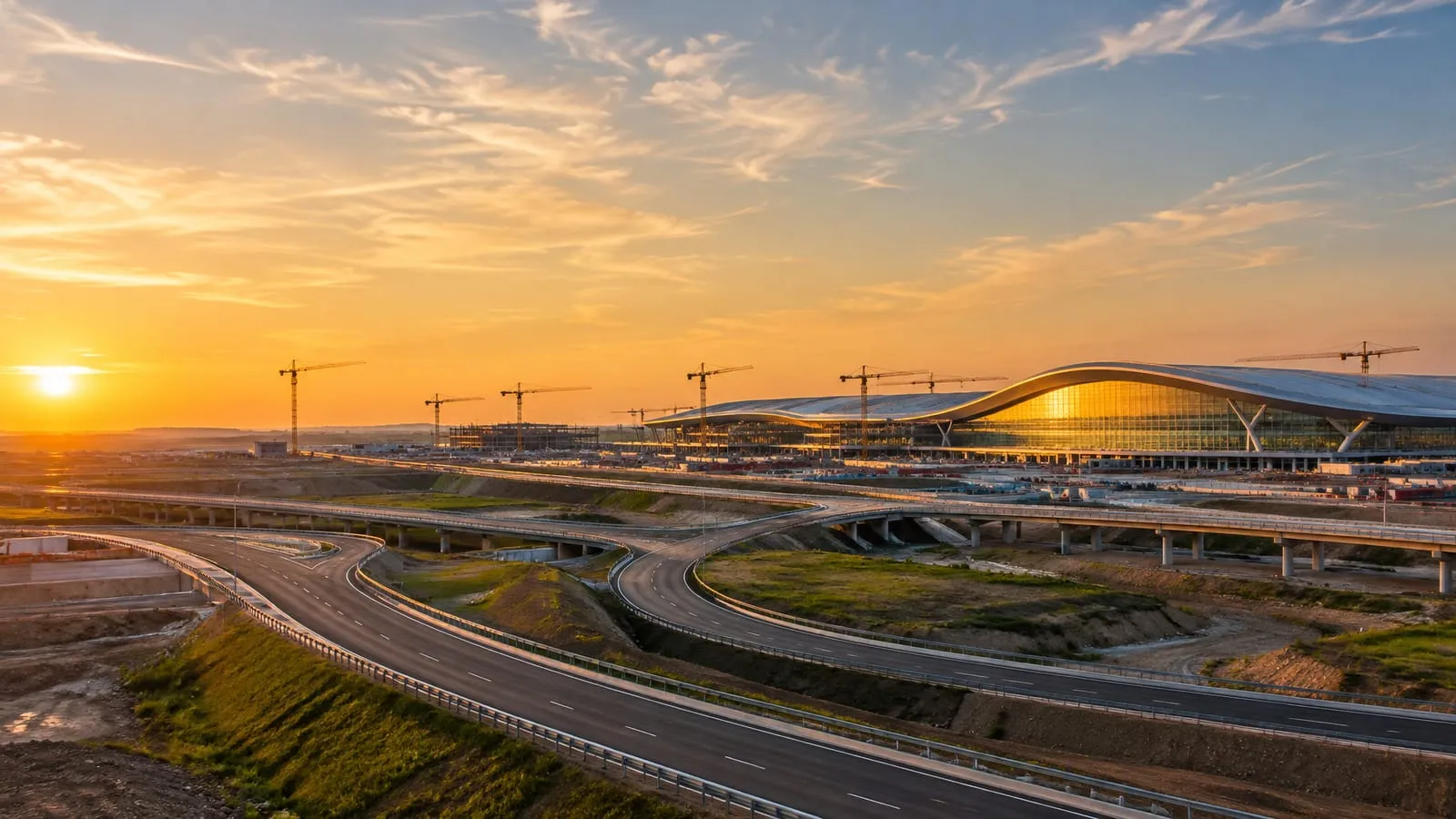 Illustrative
 What happened?
The Tribune reported that NCR's high-speed regional roads now connect to the Delhi-Amritsar-Katra Expressway. The paper puts the Gurugram to Amritsar drive at about 4.5 hours, against a range of 8.5 to 10 hours on the older NH-44 and GT Road route.
According to The Tribune, drivers from Gurugram can join the network through the Dwarka Expressway or the Kundli-Manesar-Palwal Expressway. UER-II helps traffic from south and west Delhi reach the main expressway without crossing the city. The access-controlled stretch toward Nakodar and Amritsar skips towns such as Sonepat, Panipat and Ambala.
The Tribune also points to Punjab-origin professionals working in Gurugram's corporate offices, and to pilgrims and tourists heading for Amritsar and Katra, as the main users who benefit. The article is a travel-time explainer. It does not discuss land prices, housing launches or any specific property.
Which sectors are affected?
- Delhi-Amritsar-Katra Expressway corridor
- Gurugram to Amritsar road route
- Kundli-Manesar-Palwal Expressway and Dwarka Expressway feeders
- Residential plots and housing near expressway interchanges in Haryana and Punjab
- Hospitality and pilgrimage-linked real estate
Potential impact
Shorter and more predictable drive times usually widen the catchment of towns along a corridor. Plots, farmhouses and modest housing near interchanges may see more enquiries from NCR workers, Punjab families wanting a home base, and pilgrimage or tourism businesses. This is a reasonable expectation, not something The Tribune's article measures.
Price effects are likely to be uneven. Interchange-adjacent land tends to react first, and speculative buying can run ahead of actual demand. A faster road does not create jobs or social infrastructure by itself. Daily commuting from these towns to Gurugram remains impractical, so demand is more likely to come from second homes, weekend stays and commercial use than from everyday commuters. Buyers should check road access, land-use status and title before treating any pitch as expressway-driven.
Last updated:
Source
-
The Tribune · 3 Oct 2026, 5:02 pm IST
“Gurugram to Amritsar in just 4.5 hours: How new expressway network is transforming NCR-Punjab road travel”
https://www.tribuneindia.com/news/gurugram/gurugram-to-amritsar-in-just-4-5-hours-how-new-expressway-network-is-transforming-ncr-punjab-road-travel